FREEAI

The work your team repeats every day
is the work AI can take.

We put AI inside the processes a business already runs, so the repetitive part takes less time and fewer people-hours.

See what it changes

We make the AI work, and then we keep it working

FREEAI is a four-person team in Auckland. Most businesses do not need an AI strategy — they need three or four specific tasks to stop consuming a person’s week. We find those tasks, build the system that takes them over, and operate it afterwards. Which is why our work ends up in daily use rather than in a report.

Most AI projects do not fail on accuracy. They fail on the ten percent the model gets wrong — because nobody decided who reviews it, what happens next, or how the business finds out. That decision is the product. The model is a component.

Jundong

Founder, FREEAI

Founder photo
Document intelligence

The hours that go into reading and re-typing

Document intelligence

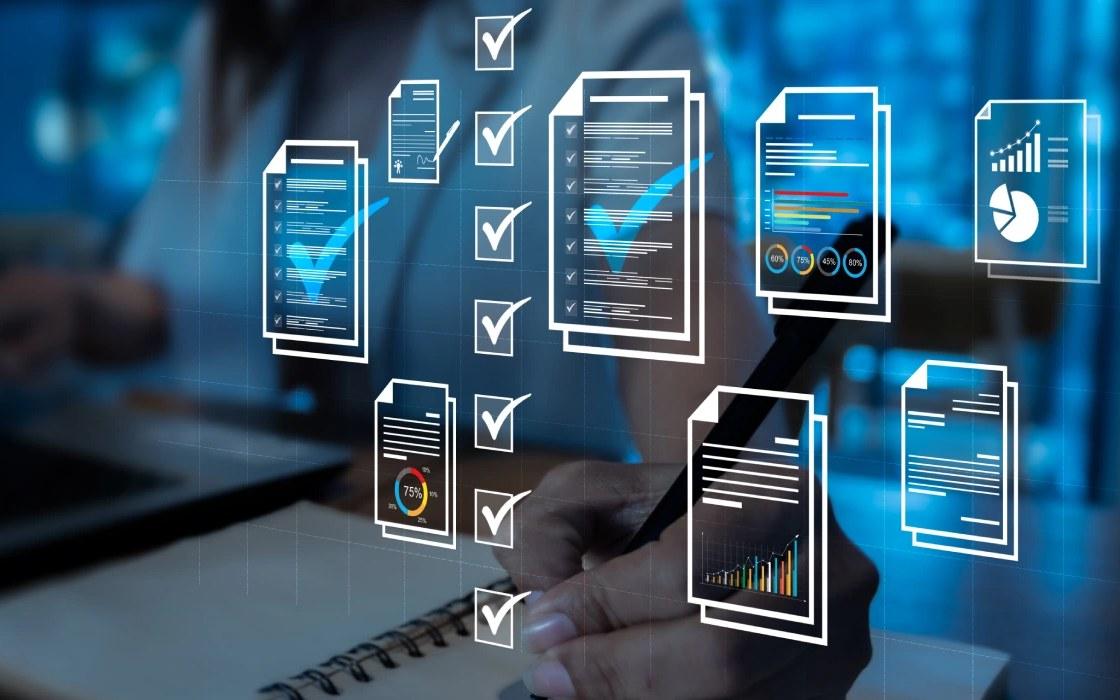
Passports, receipts, bank statements and forms — read, cross-checked against what the business already knows, and filed into the workflow that uses them. We pair vision models with deterministic rules, because neither alone survives real documents.

Where this runs
Agents & assistants

The questions your team answers over and over

Agents & assistants

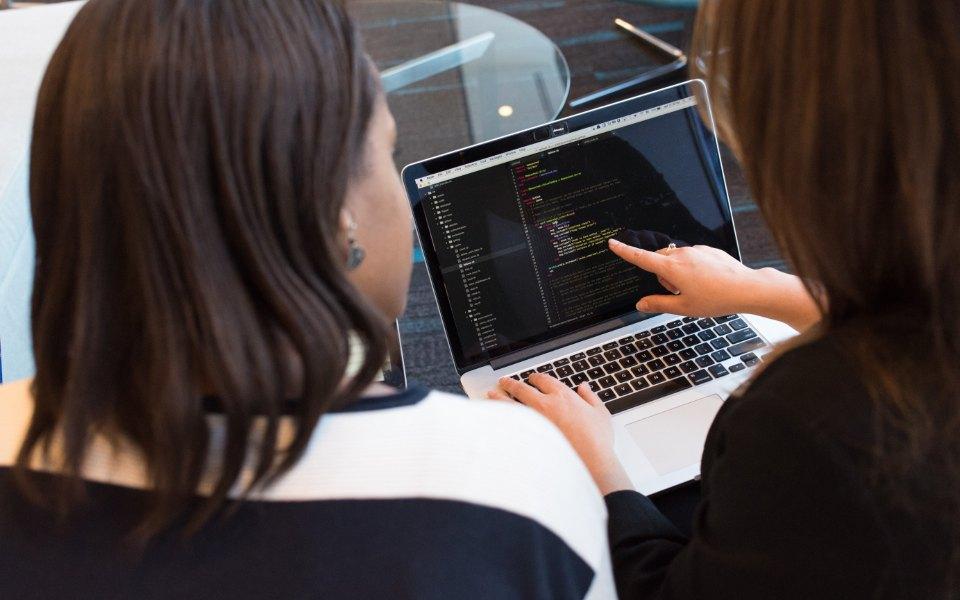
An assistant that reads a request in plain language, looks things up, drafts the response and writes back into the system of record — with the boundaries, confirmations and audit trail an operations team needs before it will let software act on its behalf.

How we scope an agent
AI on your own hardware

What it costs, and who it depends on

AI on your own hardware

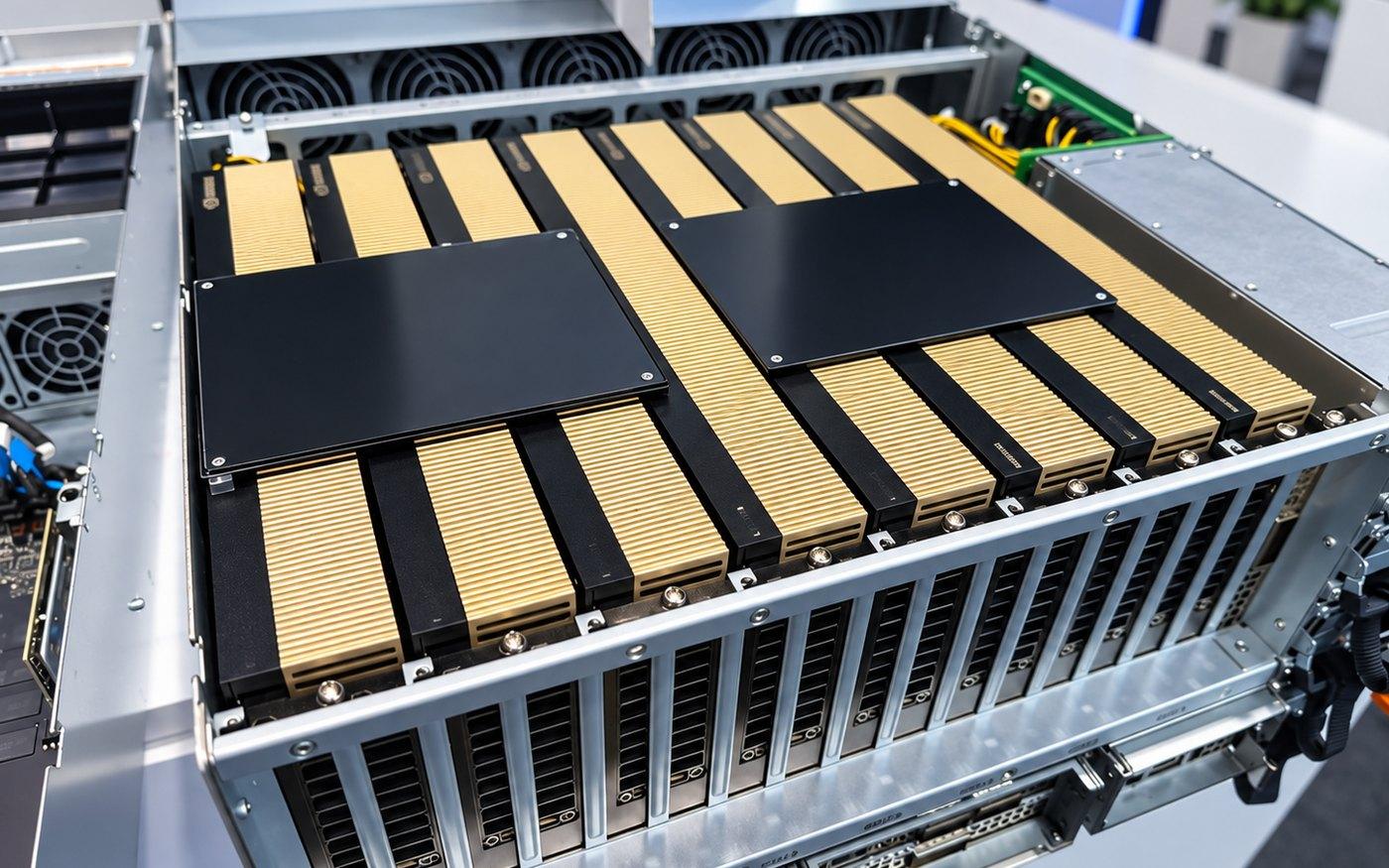
Open-weight models running on hardware you control: the data never leaves the building, and the cost stops growing with every call. One gateway in front of everything — authentication, quotas, failover and per-project metering — so no vendor holds the system hostage and the bill is attributable to the product that caused it.

How on-premise works

The people behind it

A small team, which is why you always talk to the person doing the work.

Jundong

Jundong

Founder & CEO

Designs the systems and writes most of the code. Fifteen years across operations platforms, mobile and applied AI — and still the person who takes the call when something breaks.

Meng Xia

Meng Xia

Operations Director

Runs commercial operations: quoting, contracts, invoicing and the cost model behind every engagement. The reason our estimates hold and our invoices are legible.

Marcus Hale

Marcus Hale

Software Engineer

Builds the backends and the integrations — the part that has to keep running at three in the morning. Works mostly in TypeScript, Python and whatever the client already has.

Owen Bennett

Owen Bennett

QA Engineer

Tests against real documents and real edge cases, not curated samples. Owns the accuracy numbers we agree with clients — and says so when they are not met.

How we start

Three steps, each ending in something you can judge for yourself. You can stop after any of them.

Alignment

Alignment

We go through the process you want AI to touch and tell you which parts a model can carry and which it cannot — before anyone signs anything.

Roadmap

Roadmap

A written plan you could hand to any team, including the accuracy bar, the review path for what the model gets wrong, and the cost per document or call. No charge.

Ignition

Ignition

We run the core path on your real data, not a curated sample. If it does not clear the bar we agreed, we say so then — not at handover.

Talk through your process

We take on a limited number of new engagements each quarter. Not because it sounds exclusive — because a team this size can only do this properly a few times a year.

What AI changes, industry by industry

All industries
Travel & visa operations

Travel & visa operations

A visa file is a stack of passports, forms and supporting documents that someone reads, keys in and cross-checks — the same three steps, thousands of times a year. Vision models take the reading and the keying; a rule engine does the checking. In production across three countries’ passports, inside the operator’s own workflow.

TRAVELDOCUMENT AIIN DAILY USE
Read the case study
Tax & accounting

Tax & accounting

A quarter of GST is decided by what sits in the bank statements and receipts — and by whether the classification can be defended afterwards. Models read the documents, a three-layer rule engine decides, and every decision keeps its evidence. Model providers are pluggable, so the practice is never tied to one vendor.

TAXDOCUMENT AIRULE ENGINE
Read the case study
Transport & fleet

Transport & fleet

Any model over a fleet is only as good as the position data underneath it. Where the integration did not exist we wrote the protocol stack ourselves, so the operational questions — did it arrive, is the trip billable, who was closest — have a measured answer rather than a reported one.

TRANSPORTREAL-TIME DATASELF-BUILT
Read the case study
Retail & member operations

Retail & member operations

Front-of-house staff do not fill in forms; they answer questions. An assistant inside the tools they already use reads a request in plain language, resolves it against membership, pricing and availability, and writes the outcome back into the system of record.

RETAILAGENTINTERNAL TOOLING
Read the case study

The questions we hear most

How we decide where AI belongs, what happens when it is wrong, and what it costs.

The questions we hear most
How do you decide where AI belongs?

By what it costs when it is wrong. If a mistake gets caught downstream anyway, a model is usually worth it. If it goes straight to a customer or a tax return, it needs a rule engine, a confidence threshold and a review path around it. Most of the value is in knowing which case you are in.

What happens when the model gets it wrong?

Every deployment we run has a confidence threshold, a review path for whatever falls below it, and a record of what the model saw and decided. The accuracy bar is a number we agree before starting, measured on your documents rather than on a public benchmark.

Can the data stay inside our own infrastructure?

Yes. We have run self-hosted open-weight deployments on client hardware, including local inference and a self-managed gateway. The trade-off is hardware cost and a ceiling on quality — which way that falls depends on the task and the volume, and we measure it before recommending either.

Can a team this small run production AI?

The systems we have built are still running, and we still operate them. We only take on what we can finish in the same period, and we say no when we cannot. The scheduling risk is usually higher with a large team — you rarely know where you sit in their queue, or whether your contact will change.

What happens if the team stops?

Documentation, monitoring, keys, model configuration and deployment scripts are handed over on delivery, and the code lives in your repository. That is our standard practice, not a contingency plan.

How is this priced?

By stage. The scoping stage ends with a fixed range for the rest of the work, so you decide with a number in front of you.

Notes from production

View more
One gateway in front of every model

One gateway in front of every model

Auth, quotas, retries and per-project metering, and what changed on the bill once every call went through one door.

Read more »
When the data cannot leave your own infrastructure

When the data cannot leave your own infrastructure

Open-weight models on hardware you control — what it costs, where it tops out, and how to prove the data never left.

Read more »
Rules and models are not rivals

Rules and models are not rivals

Why a vision model alone fails on real documents, and where the deterministic layer has to sit for the numbers to hold.

Read more »

Tell us what happens today

A few sentences is enough. We will tell you which part a model can carry, and which part it cannot.

No newsletter and no follow-up sequence. One reply, written by a person.